Carney Insists Canada Will Only Sign U.S. Trade Deal That Protects Viable Auto Sector
In Manila on November 14, Prime Minister Mark Carney said Canada would only sign a U.S. trade agreement if it preserved a viable Canadian auto sector, The Canadian Press reported.
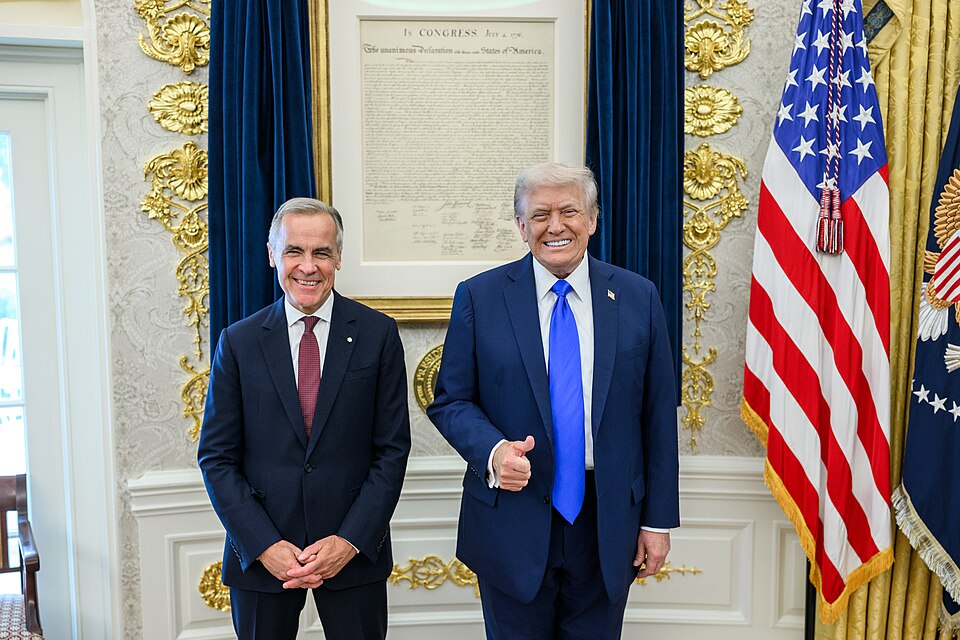
File photo — Canadian Prime Minister Mark Carney and U.S. President Donald Trump pose for a photograph in the Oval Office at the White House on October 7, 2025. · Photo: White House / Public domain · Original image source · Licence
Speaking to reporters in Manila on November 14, Prime Minister Mark Carney said Canada would only sign a U.S. trade agreement if it preserved a viable Canadian auto sector, The Canadian Press reported.
This firm stance follows Canada's withdrawal from bilateral trade negotiations in August 2026 after Washington presented last-minute demands perceived to jeopardize the Canadian auto industry. According to Carney, automotive sector issues remain among the most complex and sensitive elements still under discussion between the two countries.
Canada's commitment to its automotive industry extends beyond trade talks. Earlier in February 2026, the Canadian government launched a comprehensive strategy designed to transform the auto sector by promoting the production of next-generation vehicles, especially electric vehicles, aiming to position Canada as a global leader in this field. The strategy includes significant funding, with an allocation of $3 billion from the Strategic Response Fund and up to $100 million from the Regional Tariff Response Initiative, dedicated to supporting the industry's adaptation and competitiveness.
Carney's recent remarks underscore the government's intent to protect domestic manufacturing jobs and sustain a competitive automotive market amid broader efforts to renegotiate trade terms with the United States. The deliberations are part of a larger North American trade relationship characterized by complexities around tariffs, supply chains, and sector-specific protections.
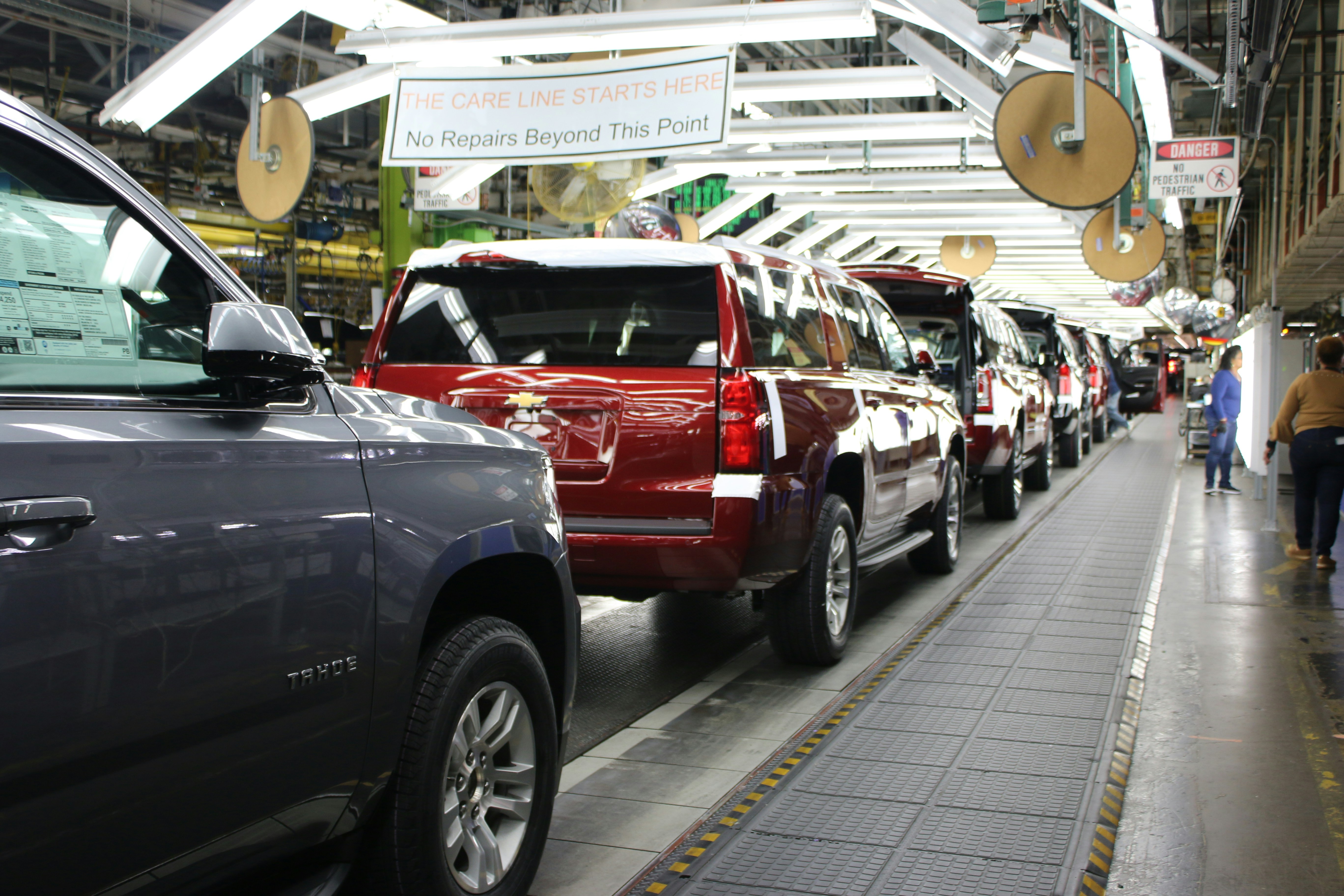
Industry observers note that the Canadian automotive sector is a critical component of the national economy, employing thousands and contributing substantially to exports. The sector's health has implications for economic stability, technological innovation, and Canada’s position within global automotive markets.
As negotiations continue, both governments balance pressures to modernize trade agreements with the need to preserve key domestic industries. Carney’s insistence on including a viable auto sector in any deal signals that Canada is prepared to hold firm to protect critical economic interests.
For more on Canada’s trade negotiations and the automotive sector’s future, see the official government release on the auto industry transformation strategy and recent coverage of the trade talks here
Correction: An earlier version used a direct quotation whose exact wording we could not verify. The article now paraphrases Carney’s remarks and identifies the reporting source.